
general medicine★ Featured
Who do we trust? What choosing a doctor has to do with gut feeling
Von Barbara Speidel·5 Min. Lesezeit·
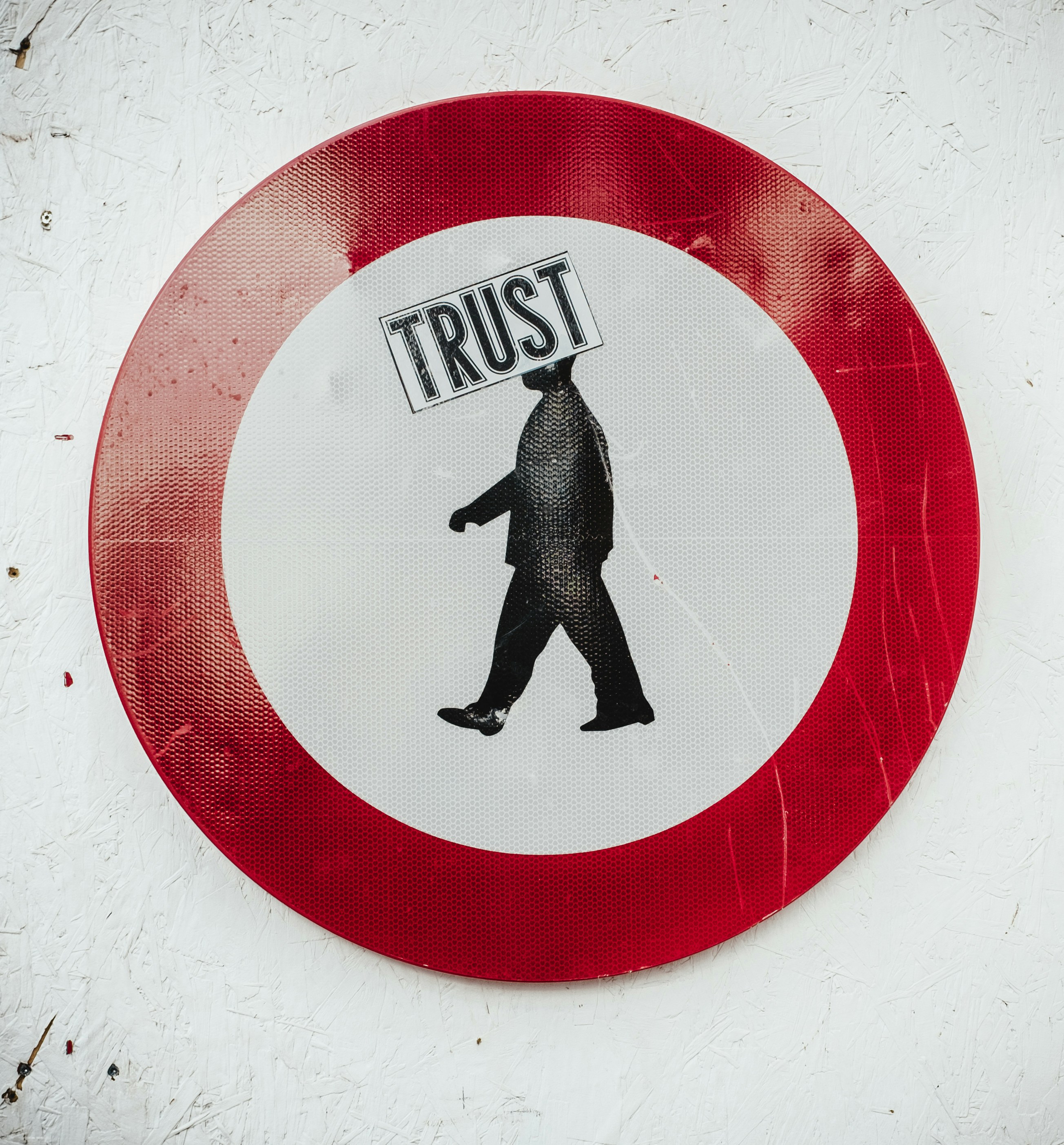
When it comes to our health, trust is the invisible foundation of any treatment. But at a time when doctors' surgeries can be found via online portals, free appointments on Calendly and digital address lists, this foundation is in danger of crumbling. The choice of doctor is increasingly becoming a question of availability - not trust. But choosing a doctor is not like looking for the garage around the corner. And repair appointments do not do justice to what a successful therapy on the human body should be. A highly regarded Harvard study shows that a close, personal relationship between doctor and patient not only strengthens subjective well-being, "Trust in the health care professional and health outcome: A meta analysis" by Johanna Birkhäuser et al. but also measurably improves the chances of recovery. Patients who trust their doctor report less stress, greater adherence to treatment and faster recovery processes. Trust works - like a drug without side effects. But how does this trust develop? It begins in a fleeting moment: the first impression. The tone of voice, the eye contact, the way you listen - all of this unconsciously determines whether we feel that we are in good hands. When a connection is made, people open up and share their worries, symptoms and fears more openly. No assessment platform or algorithm can replace this emotional resonance. So you don't have to meet with a stranger if you have a medical and therefore inevitably very personal concern. This is the basis for the development of medizzconnect. The creators do not come from the field of medicine, but from the field of communication. Ulrike Gehring is a film producer, consultant and has been working for many years on the subconscious perceptions of people in front of a screen. She is the founder of medizzconnect™ and has been working for a long time to bring the archaic power between people back into the world of digital contact. No business without emotion. No decision without conviction. She warns against digital facelessness. Two questions clarify how important our subconscious need for certainty in our choice of doctor is: Who in your circle of friends do you ask for a doctor's recommendation when it's really important? And: Why do rankings in rating portals play such a big role? Because many people today are desperately looking for guidance when choosing a doctor. Due to a lack of personal recommendations and real experience, they resort to anonymous online rankings - stars, comments and other people's opinions. However, experts warn that these are largely worthless in professional terms. They reflect snapshots, not medical expertise, and certainly say nothing about whether the medical professional - also in the field of therapy or the medical professions - might be particularly suitable for my personal situation. If things go badly, there will be a concentration on practices that invest a lot of time and effort in maintaining their social media reviews. Health needs relationships - not digital selection. The power of a personal approach, genuine interest and human contact is irreplaceable. Anyone who has experienced it knows that it is not the best reviews, but the best feeling that determines who we really trust. BS Photo Bernard Hermant on unsplash
#allgemeinmedizin